Introduction
“Linkables”, The financial industry has undergone a massive evolution, transitioning from physical cash and paper checks to a streamlined digital infrastructure. This shift has necessitated the integration of traditional banking methods with modern fintech applications. This detailed guide will walk you through the process of connecting your credit and debit cards to leading digital payment ecosystems, specifically PayPal, Cash App, and Apple Pay. We will cover everything from selecting the right cards to optimizing their use within these platforms, ensuring you maintain top-tier security while enjoying full functionality.
Understanding Linkable Payment Cards
What Are Linkable Cards?
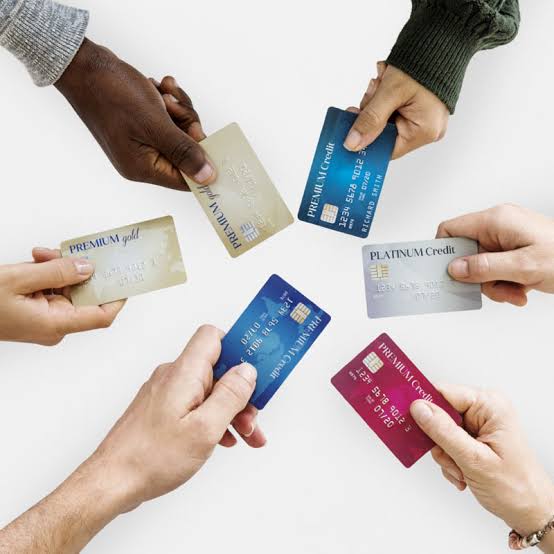
Linkable payment cards act as the interface between your physical banking infrastructure and the digital world. Whether you use credit, debit, or prepaid options, these cards function as the fuel for your digital wallets. When successfully linked, they allow you to:
- Fund digital account balances.
- Execute seamless point-of-sale transactions.
- Facilitate quick transfers between accounts.
- Unlock advanced features like investment tools or budgeting apps within the ecosystem.
The Landscape of Compatible Cards
While most major financial institutions issue compatible cards, understanding the nuances of what you are attaching to your digital wallet is important.
- Traditional Debit Cards: These are tethered directly to your checking account. They are ideal for controlled spending, as funds are deducted immediately upon use.
- Credit Cards: These offer a line of credit, useful for managing cash flow or building your credit history. They are excellent for purchases, provided you manage the balance responsibly.
- Prepaid Cards: These are loaded with a fixed amount of money beforehand. They are great for budgeting or for those without a traditional bank account.
- Virtual Cards: These exist only in digital form, often generated by banking apps. They are highly useful for online shopping to shield your primary card details from being stored on third-party websites.
GET LINKABLES
Step-by-Step Guide to Linking Cards
Step 1: Select Compatible Payment Cards
Before initiating the technical connection, ensure you have chosen the right vehicle for your financial goals. Consider these factors:
- Network Compatibility: While Visa and Mastercard are standard, some niche cards may not work with every app. Always verify compatibility beforehand.
- Funding Source Strategy: Decide if you need the immediate deduction of a debit card or the flexibility of a credit line.
- Terms and Conditions: Review any fees associated with linking the card or using it for specific types of transactions.
Step 2: Link Cards to Your Preferred Platform
Once you have selected your cards, follow these detailed instructions for each platform.
- PayPal:
- Access your PayPal account via a web browser or the mobile app.
- Locate the “Wallet” section within your account settings.
- Click on the option to “Link a bank or card.”
- Input the card’s details, including the 16-digit number, expiration date, and security code.
- Ensure the billing address matches exactly what your bank has on file; discrepancies often cause linking errors.
- Wait for the verification phase to conclude. PayPal may place a small authorization hold on the card to confirm its validity.
- Cash App:
- Launch the Cash App on your smartphone.
- Tap on the “Banking” tab, usually the first option on the bottom menu.
- Select the “Link Debit Card” option.
- Enter the card information as requested.
- You may be required to verify your card. This often involves Cash App sending two small deposits to your bank account, which you must confirm to prove ownership.
- Apple Pay:
- Open the native “Wallet” application on your iPhone or iPad.
- Tap the “+” icon in the top corner to add a new card.
- You can either position your card in front of the camera to scan the magnetic stripe or enter the details manually.
- Accept the terms and conditions presented by Apple.
- The final step is handled by your bank or card issuer, who will verify your identity and security through their own protocols.

Step 3: Populate Your Digital Balance
With your cards successfully connected, you can now add money to your digital wallet.
- Navigate to the “Add Money” or “My Cash” section within the app.
- Select your newly linked card as the source for the transfer.
- Type in the specific amount you wish to move.
- Confirm the transaction to initiate the process.
- Be mindful of processing timelines. Standard transfers can take 1-3 business days, depending on your bank’s policies.
Step 4: Leverage Card Utility
To get the most out of your linked cards, understand the ecosystem’s capabilities and your own limits.
- Understand Limits: Every platform and card has caps on daily and monthly transactions. Check your settings to avoid being declined at checkout.
- Monitor Balances: Keep an eye on both your physical card balance and your digital wallet to prevent overdrafts or insufficient funds errors.
- Plan Transactions: Time your transfers to ensure funds are available when needed, particularly for larger purchases.
- Claim Rewards: Many cards offer cashback or points for digital transactions. Ensure you are utilizing these benefits.
RELATED: Up-To-Date Zelle Carding Method Step by Step: All What You Need To Know About Zelle Carding For Instant Cash Out
Step 5: Maintain and Secure Your Cards
Active management is essential for financial safety.
- Regular Audits: Periodically check your linked cards to ensure every transaction is legitimate.
- Remove Unused Cards: If you lose a card or stop using a service, unlink it immediately to prevent unauthorized access.
- Update Info: If your card number changes (due to renewal or fraud), update your digital wallets promptly.
- Review Statements: Keep a close watch on your bank statements to catch any anomalies early.
Platform-Specific Tips and Best Practices
PayPal Best Practices
- Verification Levels: Complete your profile verification to lift sending and receiving limits.
- Instant Transfers: Use PayPal’s Instant Transfer feature for a small fee to get money into your bank account immediately.
- Buyer Protection: Familiarize yourself with the buyer protection policies to feel secure when shopping with third-party merchants.
- Redundancy: It is wise to link multiple cards as backup funding sources.
Cash App Optimization
- Security Protocols: Enable PIN codes, Face ID, and Touch ID to secure your application.
- Boosts Program: Explore the “Boosts” feature, which offers instant discounts at specific retailers when you use your Cash App card.
- Investing: Use your available digital balance to explore Cash App’s built-in investment tools like Stocks and Bitcoin.
- Direct Deposits: Set up your employer to deposit paychecks directly into your Cash App balance for faster access.
Linkables
Apple Pay Security
- Biometric Security: Use Face ID or Touch ID for every payment to add a layer of physical security.
- Transaction Alerts: Ensure push notifications are enabled so you are instantly notified of every purchase.
- Apple Card Benefits: If eligible, explore the unique features of the Apple Card, such as daily cashback and visual spending tracking.
- Privacy: Take advantage of the privacy settings in the Wallet app that protect your card details from merchants.
Troubleshooting Common Issues
Card Declined or Connection Errors
If you encounter rejection:
- Double-check every digit of your card number, expiration date, and CVV.
- Confirm the card supports the specific network required by the app.
- Verify that your card has available funds or credit.
- Contact your bank to see if the card is locked or if there are fraud alerts on the account.
Verification Hurdles
When verification fails:
- Complete all requested identity verification steps, such as providing your Social Security Number or verifying your date of birth.
- Respond promptly to security codes sent to your email or phone.
- Ensure your billing address is identical to the one on file with your bank.
- Try an alternative verification method if offered, such as uploading a utility bill.
Transfer Delays
If funds aren’t arriving as expected:
- Check for platform-wide maintenance or high-volume periods that might be slowing things down.
- Verify with your bank if they are experiencing processing delays.
- If waiting is an option, stick to standard transfers.
- Contact customer support if a delay seems unreasonable for the amount and timing.
Advanced Strategies
Multi-Platform Approach
Seasoned financial users often link cards across multiple platforms to create a robust safety net. This diversification helps mitigate the risk of account freezes or limits on a single app. By creating specific workflows for managing funds—allocating one app for budgeting and another for daily spending—you can optimize your financial efficiency.
Security Enhancements
For maximum protection:
- Use a unique, complex password for each digital wallet.
- Enable two-factor authentication (2FA) wherever possible, preferably via an authenticator app.
- Regularly review your transaction history and set up alerts for large or unusual transactions.
Conclusion
Integrating your payment cards into digital wallets like PayPal, Cash App, and Apple Pay is a crucial step in modern financial management. It offers convenience, flexibility, and control over your money. By carefully following the steps outlined in this guide—from selecting the right cards to implementing advanced security protocols—you can ensure a smooth integration of your financial tools. Ultimately, responsible management involves staying informed about the terms of service, vigilantly monitoring your accounts, and utilizing built-in security features to protect your assets. With these practices in place, you are well-equipped to navigate the digital payment ecosystem with confidence.