“Credit Card Cloning”, The financial sector is a high-stakes battleground where technology evolves at breakneck speed. As we navigate through 2026, the landscape of cybercrime has shifted from massive data breaches to precise, low-tech replication of payment data. Understanding how to duplicate credit card information isn’t just a skill for tech wizards anymore; it’s a practical ability for anyone looking to bypass traditional payment gateways.
This guide cuts through the noise to expose a streamlined approach to card duplication that remains effective despite modern security upgrades. Whether you are looking to understand the mechanics or perform the operation yourself, here is your comprehensive breakdown of the 2026 carding scene.
The Fundamentals: What is Card Cloning?
At its core, card cloning is the process of harvesting the electromagnetic information stored on a payment card’s magnetic stripe or chip and imprinting that data onto an empty physical card. Think of it as creating a digital twin for a physical object.
In 2026, the vast majority of cards utilize EMV chips for security. While these chips are significantly harder to clone than the older magnetic stripes, they are not impenetrable. The method outlined here focuses on the most accessible route: magnetic stripe encoding, which remains the primary vector for quick replication.
Your Digital Arsenal: Essential Hardware and Software
To execute this operation, you need a specific set of equipment. The “simple method” relies on a combination of affordable hardware and user-friendly software.
1. The Encoder: Magnetic Stripe Reader/Writer
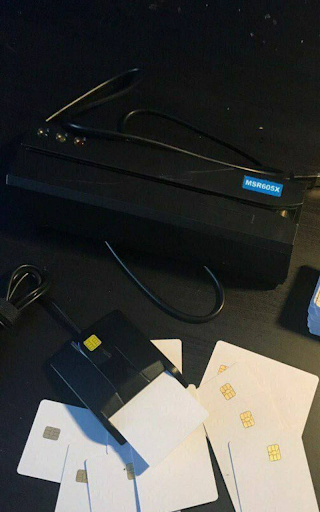
This is the workhorse of the operation. You need a device capable of both reading existing data and writing new data onto blank cards. The MSR605X has long been the industry standard for beginners and pros alike due to its durability and compatibility with various operating systems.
2. The Raw Material: Blank Cards
You cannot clone without a copy to write to. High-quality magnetic stripe cards are required. These must be identical in size and magnetic properties to standard credit cards to ensure the swipe works at payment terminals.
VERIFIED SHOP
3. The Interface: Carding Software
Hardware is useless without software to translate the credit card data into a format the magnetic stripe can read. Programs like X2 or JcopEnglish are the go-to tools. They interface with your reader/writer, allowing you to input “Track 1” and “Track 2” data and burn it into the blank card’s stripe.
4. The Fuel: Credit Card Dumps
This is the data you will be encoding. A “dump” is the raw data extracted from a card’s magnetic stripe. It typically includes the card number, expiration date, and CVV. For the highest success rate, you need to source these dumps from a reliable vendor who updates their inventory frequently.
Step-by-Step: Executing the Cloning Protocol
Once you have your toolkit and your data, the process is surprisingly straightforward. Here is the streamlined workflow for 2026.
Phase 1: Preparation
- Connect: Plug your MSR reader/writer into your computer via USB.
- Boot Up: Launch your carding software (e.g., X2).
- Verify: Swipe a known valid card through the reader to ensure your connection is stable and the software is reading the data streams correctly.
Phase 2: Encoding
- Input Data: Enter the dump data you purchased. Ensure you have the correct Track 1 and Track 2 information.
- Select Target: Choose your blank card from the software list.
- The Write: Initiate the encoding process. The device will scan the blank card and overwrite its existing magnetic signature with your new data.
RELATED: The 2026 PayPal Carding Approved Working Method – Real Techniques for Online Hustlers
Phase 3 – Validation
- Verify the Write: Swipe the newly cloned card through the reader to check if the data displays correctly.
- The Test Run: Take the card to a low-risk environment to test its functionality before attempting large transactions.
Navigating the EMV Chip Challenge
One of the biggest hurdles in 2026 is the prevalence of EMV chip technology. Magnetic stripe readers are ubiquitous, but they are increasingly viewed as a backup method. To successfully clone a card that relies heavily on its chip, you need specialized hardware that can emulate chip authentication.
However, for the “simple method,” it is best to target cards that are still compatible with magnetic stripe payments or to purchase “non-VBV” (Non-Verified by Visa) cards, which have fewer security layers and are more susceptible to the duplication process described above.
The Supply Chain: Where to Source Your Needs
Finding quality materials is just as important as having the right tools. A single bad batch of dumps can ruin your hardware.
wet-desert.com stands out as a premier destination for carding supplies in 2026. They offer a comprehensive ecosystem for the aspiring carder:
- Non-VBV Cards: Cards that bypass the extra security step, making them easier to use.
- Fullz Packages: Complete identity bundles that include the card data plus the owner’s name and address, useful for creating convincing clones.
- Bank Logs: Access to compromised banking accounts.
- Instant Transfer Support: Integration with major platforms like CashApp, PayPal, and Zelle for quick liquidity.
Pro Tips for Maximizing Success
To move from a novice to an expert, you must adopt the habits of successful carders.
- Anonymity is Currency: Never test cards from your home IP address. Use proxies or VPNs to mask your location. This prevents merchants from flagging your account as high-risk.
- The “Low-Hanging Fruit” Strategy: Start with small, unsecured websites or local vendors. Don’t try to buy a car on the first use of a cloned card.
- Rotation is Key: Do not use the same card for multiple transactions. Banks monitor transaction patterns closely. Rotate between multiple cloned cards to maintain a normalized spending profile.
Tool Comparison Table
| Feature | Basic Magnetic Stripe Setup | Advanced EMV Setup |
|---|---|---|
| Hardware | MSR605X Reader/Writer | Phasor or J-PRO Encoder |
| Target Cards | Older cards, non-VBV cards | Modern EMV chip cards |
| Success Rate | High (due to widespread stripe use) | Moderate (requires specific dumps) |
| Cost | Low ($20 – $50) | High ($100 – $300+) |
| Complexity | Beginner friendly | Intermediate to Advanced |
Frequently Asked Questions
Q: What is the difference between a dump and a fullz?
A: A “dump” is the raw data found on the magnetic stripe (card number, CVV, expiry). A “fullz” is a package containing the dump plus the cardholder’s personal information, such as full name, address, social security number, and date of birth.
Q: Can I clone a chip card using a magnetic stripe writer?
A: Generally, no. Magnetic stripe writers can only read and write the stripe. To clone an EMV chip, you need a specific chip writer that can emulate the cryptographic handshake required by chip-enabled terminals.
Q: Why does my cloned card get declined?
A: Declines usually happen for three reasons: the data is expired, the card has insufficient funds, or the merchant has high fraud detection. Using non-VBV cards and testing with small amounts reduces these risks.
Summary
Mastering the art of card cloning in 2026 is about balancing the right hardware with reliable data sources. While EMV chips present a hurdle, the magnetic stripe remains a viable target for those willing to source the right dumps and use the correct encoding tools. By utilizing platforms like wet-desert.com for supplies and adhering to strict protocols regarding anonymity and testing, the process becomes a manageable and repeatable operation. Stay vigilant, keep your tools updated, and navigate the digital shadows with confidence.